Why Indonesia Is a Leading Source of Natural Ingredients
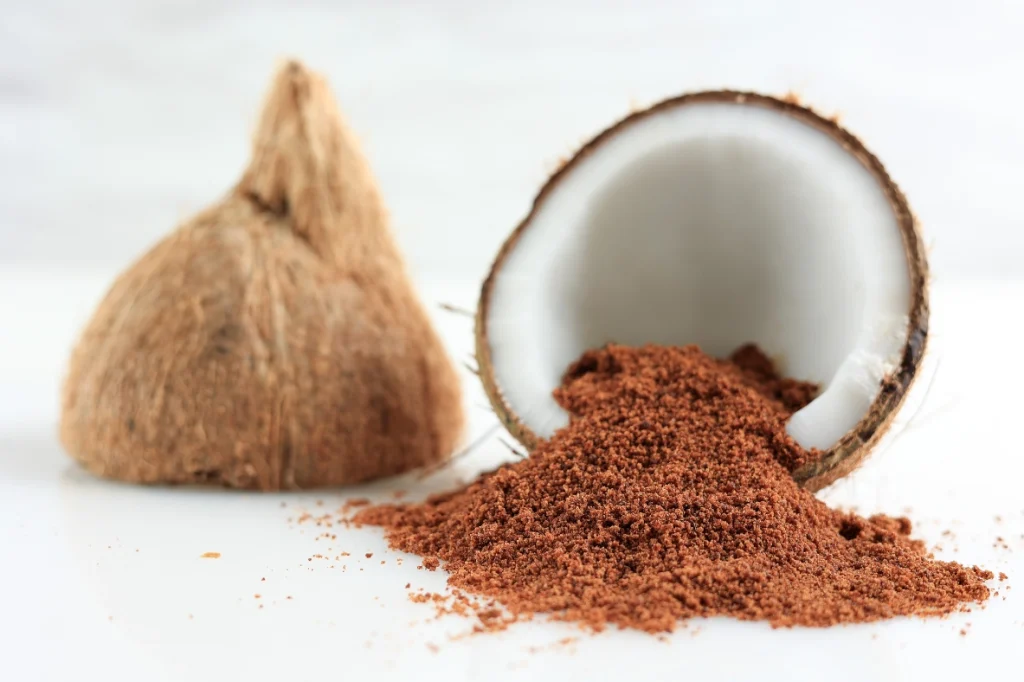
Indonesia is one of the world’s richest sources of natural ingredients — from essential oils and herbs to spices, coconut derivatives, and botanical extracts.
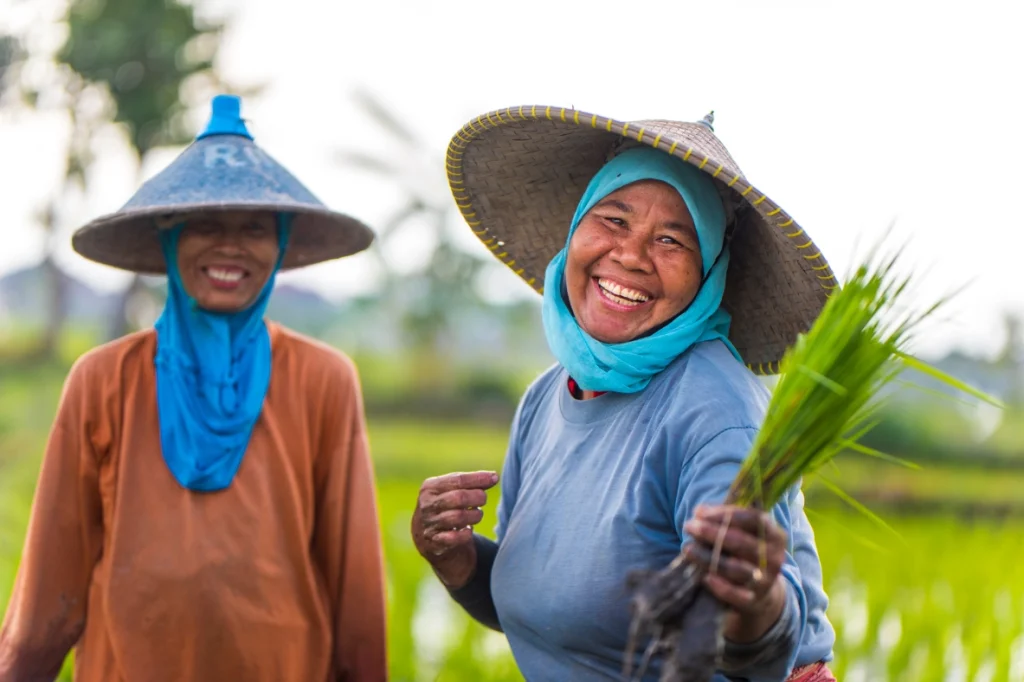
The combination of tropical climate, fertile soil, and diverse ecosystems makes Indonesian raw materials highly sought-after in industries such as cosmetics, food, and wellness.
Global buyers value Indonesian ingredients for their:
- High potency and purity
- Sustainable farming methods
- Competitive pricing
- Reliable export infrastructure
Whether you’re a first-time buyer or an established importer, understanding how the process works ensures smooth and compliant transactions.
Step 1: Identify the Right Supplier
Choosing the right supplier is the foundation of a successful import.
When sourcing from Indonesia, look for suppliers who:
- Are registered exporters with valid export licenses
- Can provide product documentation (COA, MSDS, phytosanitary certificates)
- Offer transparent sourcing and traceability
- Have a proven record of international shipments
You can find suppliers through industry associations, verified trade directories, or by attending international trade expos such as Trade Expo Indonesia (TEI).
Tip: Always request samples and verify quality before placing large orders.
Step 2: Understand Product Regulations and Certifications
Each country has its own import requirements. To avoid customs issues, review the necessary documentation early.
Common export documents include:
- Invoice and Packing List
- Certificate of Origin (COO)
- Phytosanitary Certificate (for plant-based products)
- Certificate of Analysis (COA)
- Material Safety Data Sheet (MSDS)
- Halal or Organic Certificates (if applicable)
For cosmetic or food-related imports, ensure compliance with local health authorities such as the FDA, EFSA, or BPOM.
Step 3: Manage Quality Control and Testing
Consistency is key in the natural ingredient industry.
Before shipping, make sure your supplier provides detailed batch analysis and quality test results.
Buyers typically request tests for:
- Moisture and purity levels
- Active compound concentration
- Microbial contamination
- Heavy metal residue
Third-party lab testing in Indonesia is widely available and helps confirm product integrity before export.
Step 4: Choose the Right Shipping and Packaging Options
Natural ingredients vary in form — from dried herbs to essential oils — and each requires different packaging and shipping standards.
Common methods include:
- Air freight for high-value or time-sensitive items
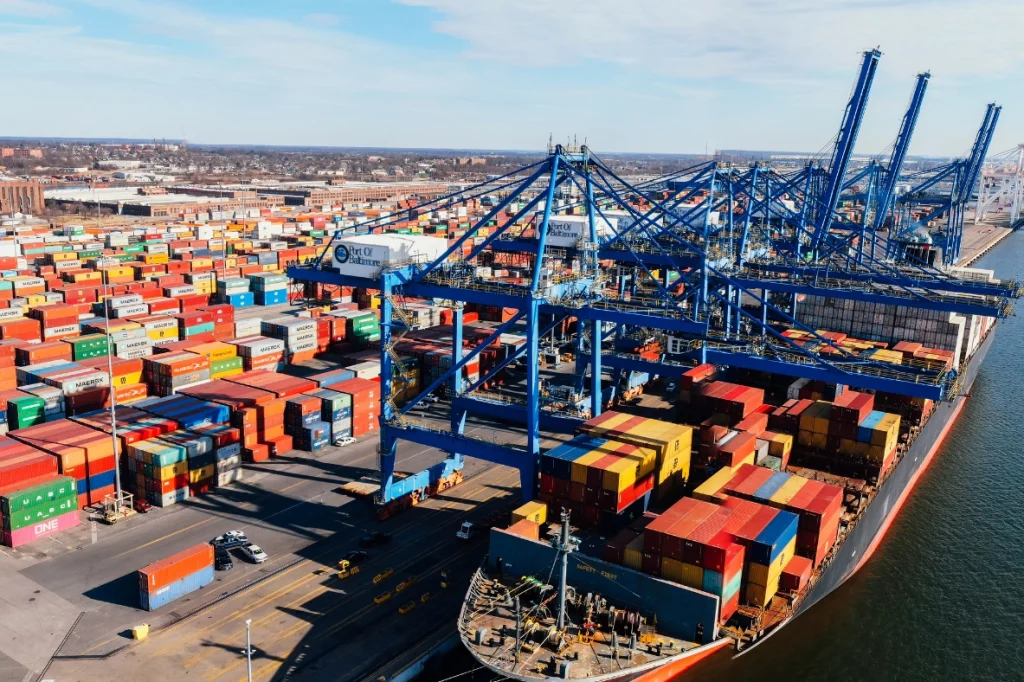
- Sea freight for bulk or lower-cost shipments
- Temperature-controlled storage for volatile compounds
Work with logistics partners familiar with agricultural exports to ensure compliance with customs and safety standards.
Step 5: Plan for Customs Clearance and Duties
To import successfully, you’ll need to prepare customs documentation and understand applicable tariffs.
Key steps include:
- Confirm HS Codes for each product type
- Check your country’s import duty and tax rates
- Submit all required documents before shipment departure
- Coordinate with a licensed customs broker
A clear understanding of these requirements minimizes delays and unexpected costs.
Step 6: Establish Long-Term Supplier Relationships
Once you’ve found reliable partners, maintaining good communication and mutual trust is essential.
Long-term buyers benefit from:
- Stable pricing and supply
- Priority during high-demand seasons
- Joint product development opportunities
- Access to new or exclusive ingredients
Building sustainable partnerships helps both sides grow and ensures consistent quality for your customers.
Common Challenges and How to Avoid Them
Importing from Indonesia offers great potential — but also requires careful planning.
Here are a few common challenges and practical solutions:
- Inconsistent product quality → Request COA per batch and perform random testing.
- Shipping delays → Work with suppliers who have experience handling export documentation.
- Customs issues → Use freight forwarders with a proven track record for your destination country.
- Currency fluctuation → Agree on pricing terms in a stable currency (USD or EUR).
Preparation and transparency are the best tools to prevent costly mistakes.
The Value of Working with Experienced Export Partners
Indonesia’s export industry is growing fast, and reliable exporters now offer full-service support — from documentation and inspection to logistics and after-sales service.
Choosing an experienced partner simplifies every stage of importing, especially if you’re entering this market for the first time.
It ensures that what you receive meets both regulatory standards and your brand’s quality expectations.
Start Your Import Journey with Confidence
Importing natural ingredients from Indonesia opens access to some of the world’s finest raw materials — sustainably produced and globally trusted.
By understanding each step of the process, from sourcing to shipment, you can build a supply chain that’s transparent, reliable, and ready for long-term growth.
👉 Ready to connect with Indonesian producers? Start by exploring trusted suppliers who share your standards for quality and sustainability.